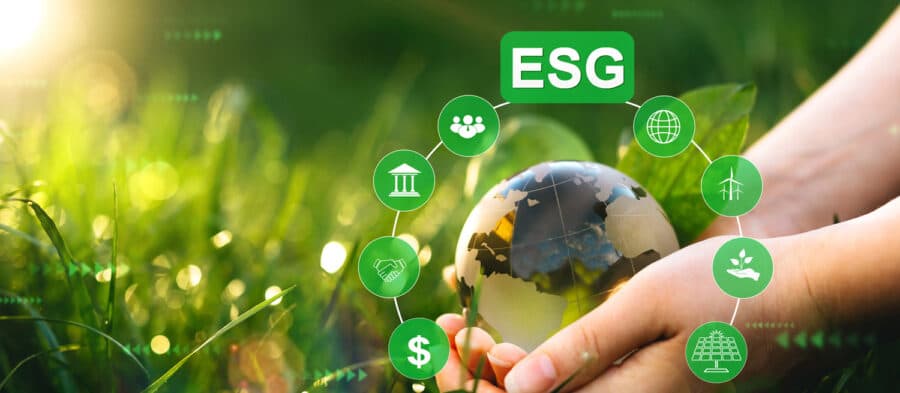
ESG - Environment, Social and Governance
ESG (Environment, Social, and Governance) is a framework to evaluate business performance beyond financial outcomes. It is now a strategic requirement for organizations that aim to grow sustainably and integrate into global supply chains.
Environment (E)
Covers emissions, energy transition, biodiversity protection, resource efficiency, and waste management.
Social (S)
Focuses on labor practices, worker rights, occupational health and safety, inclusion, and community impact.
Governance (G)
Assesses governance structure, transparency, compliance, business ethics, and accountability.
Why ESG matters
- ✓Improve competitiveness and brand credibility in international markets
- ✓Meet investor and partner expectations on sustainability performance
- ✓Reduce legal, operational, and reputational risks
- ✓Strengthen long-term resilience in global value chains
- ✓Contribute to national sustainable development priorities
ESG assessment tools
"Know where you are to improve from today."
Sustainability is no longer optional. A structured assessment helps organizations identify strengths, detect gaps, and prioritize practical improvements with transparent metrics.
International assessment frameworks
GRI Standards

Global sustainability reporting standards for transparent disclosure of environmental, social, and economic impacts.
SASB Standards
Industry-specific ESG standards focused on financially material issues for investor decision-making.
CDP Platform

Global disclosure platform for climate, water, and forests to manage environmental risks and opportunities.
TCFD Framework

Framework for climate-related financial disclosures, helping organizations report risks and opportunities consistently.
UN SDGs

The 17 Sustainable Development Goals provide a shared roadmap for business and societal impact.
ESG Rating
Rating systems such as MSCI, S&P, and Sustainalytics support comparable ESG performance benchmarking.